• Skip to main content
  • Skip to footer

Mary Reynolds Babcock Foundation

Building power to advance racial equity across the American South

  • Grants
    • Who Should Apply
    • Where We Work
    • How Funds May Be Used
    • Application Process
  • Stories
    • NEWS
    • VIDEOS: STORY BANK
    • ORAL HISTORIES: SOUTHERN VOICES
  • About
    • Mission-Vision-Values
    • Who We Are
    • What We Do
  • Contact Us
  • Español

Stories

Mar 06 2024

Introducing our new People and Culture Officer

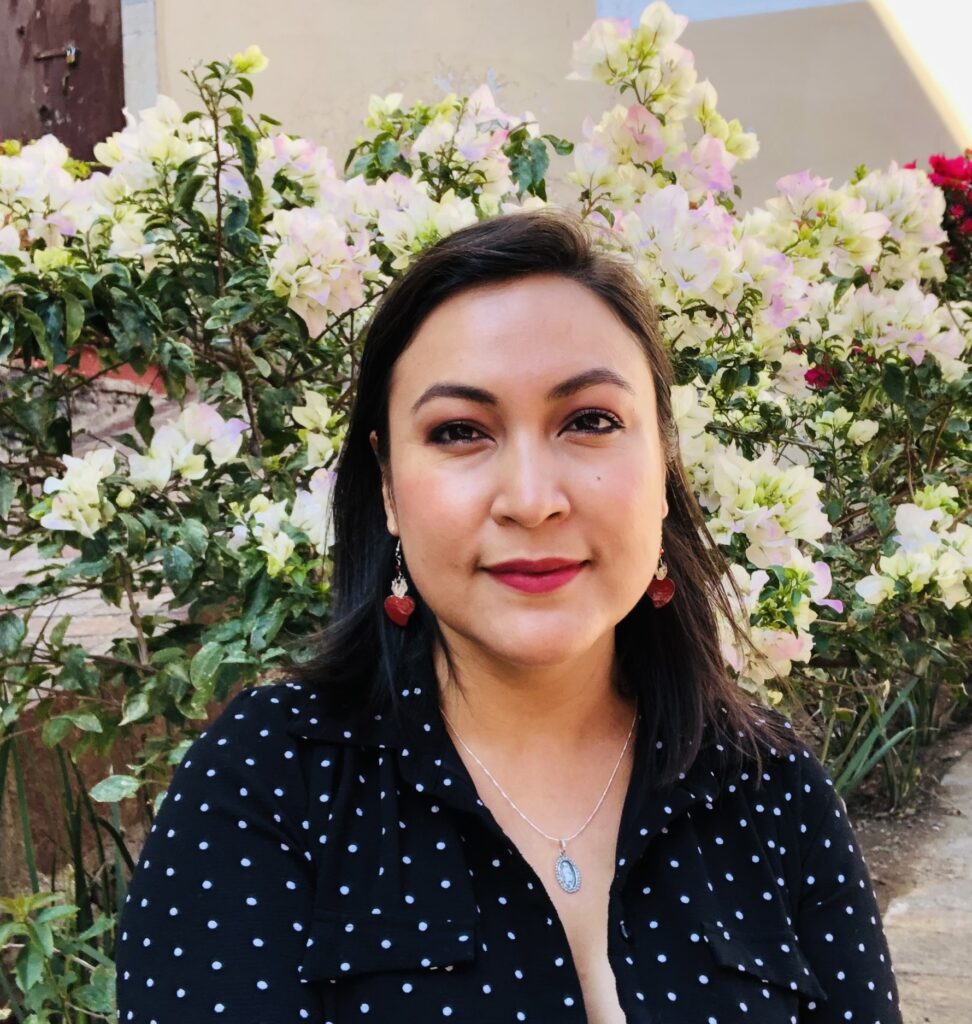
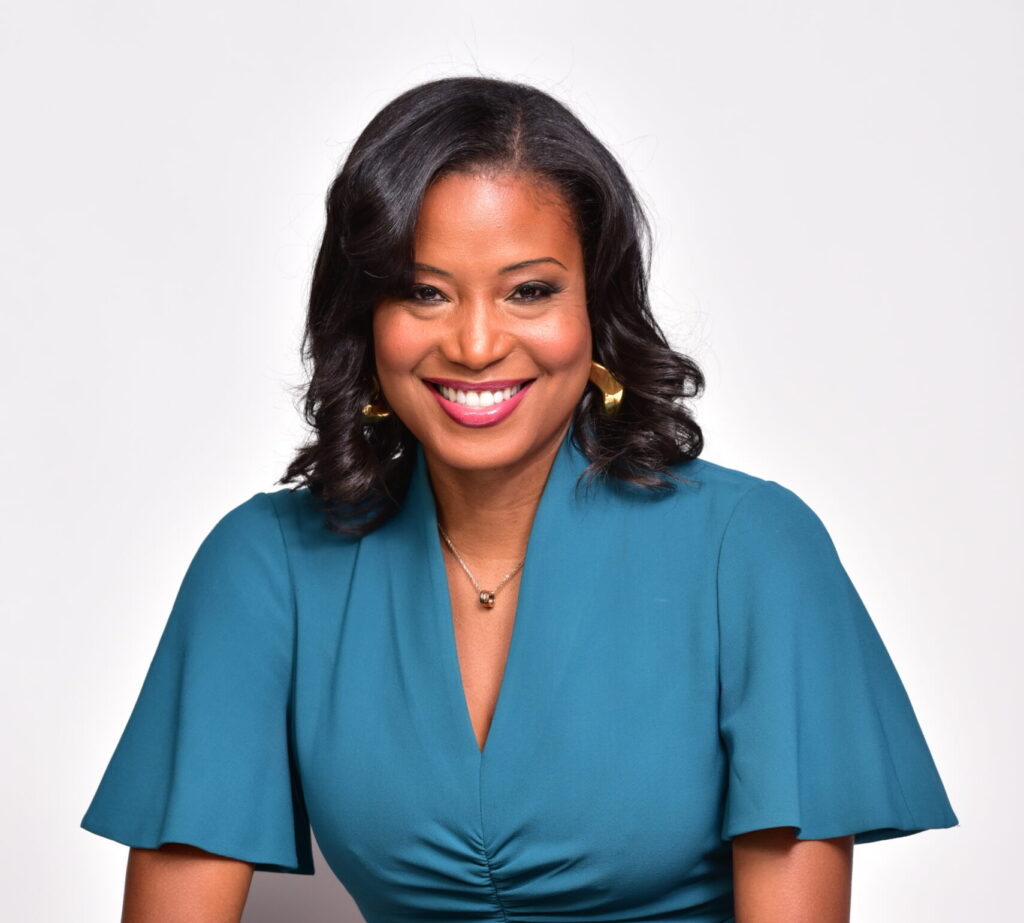
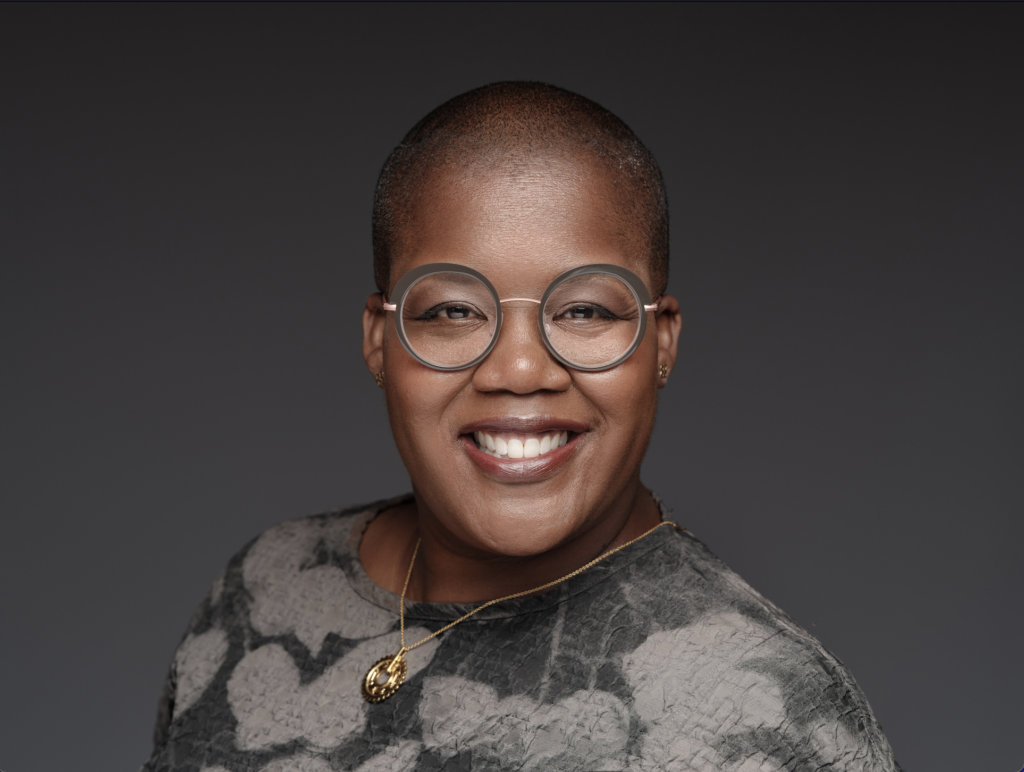
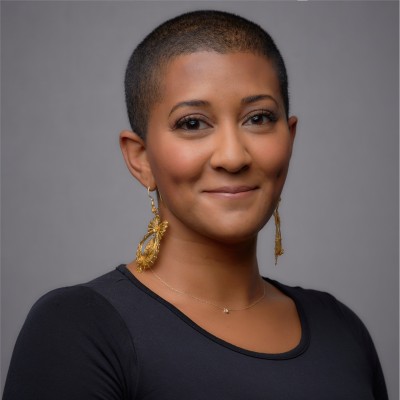
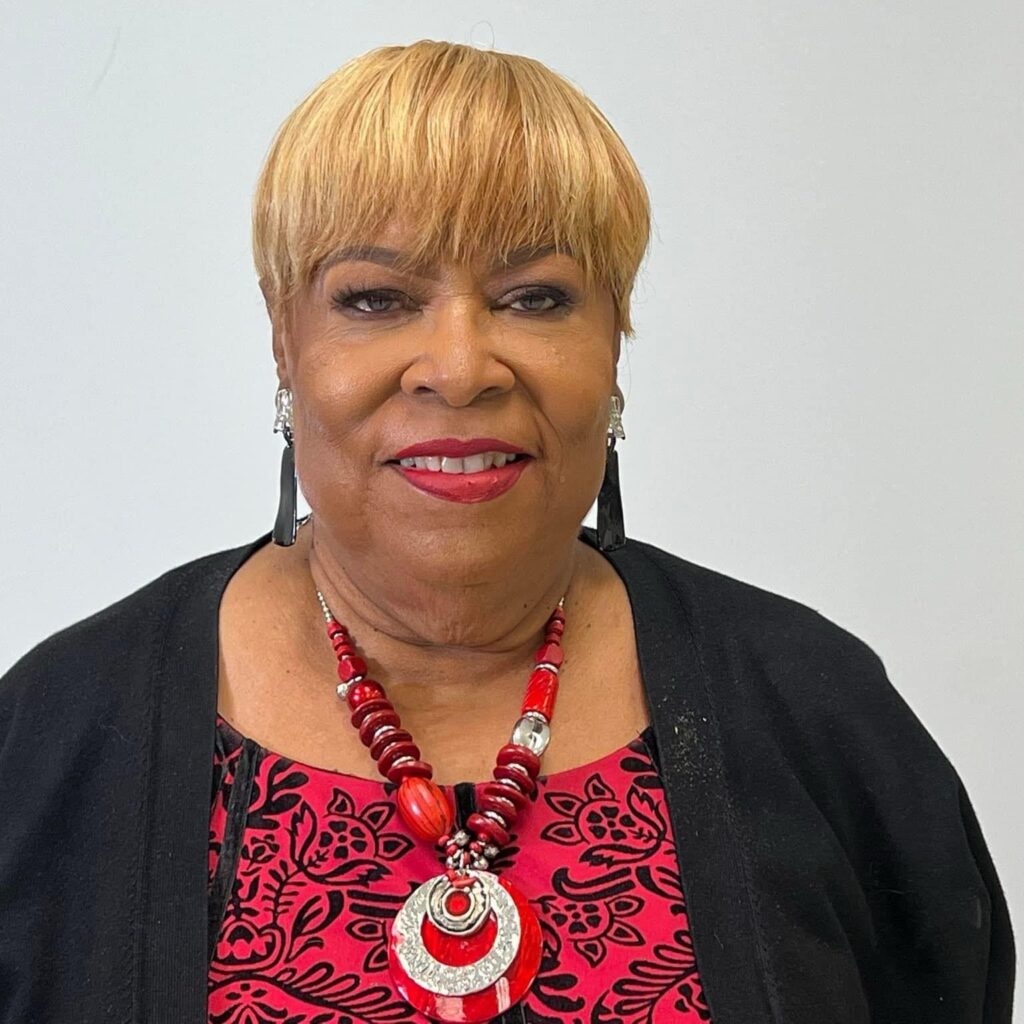
A Black woman wearing a Black shirt, smiling, standing in front of a body of water

The board and staff of the Mary Reynolds Babcock Foundation are pleased to introduce our new people and culture officer. Ashelee Barber (she/her) brings a wealth of experience from a wide range of organizations, fostering inclusive environments and nurturing talent. Most recently, she served as senior manager of people and culture at Fair Fight Action for four years. She led the organization through a cultural transformation, changing the function, structure, and impact of human resources across the organization through new programs, policies, processes and systems. 

“I am honored to join MRBF as the first people and culture officer and look forward to partnering with our talented team to cultivate an organizational culture where our staff feels valued, supported and empowered to contribute their best,” Ashelee said. “With a deep passion for this work, I am excited to embark on this journey of learning, growth and transformation, where our shared values and commitment to social and economic justice are mirrored in the way we connect, support and uplift one another within the Foundation.”

This is a brand-new position for the Foundation. In this role, Ashelee will help foster a strong, joyful culture steeped in racial equity and aligned with MRBF’s values. She will help staff take good care of themselves and each other, thereby deepening MRBF’s impact across the American South.

Ashelee holds a Bachelor of Arts degree in Psychology from Georgia State University and relevant HR certifications. She enjoys singing, reading, relaxing on the beach and spending time with her daughter.
Written by Amy Easter · Categorized: NEWS, STORIES

Feb 24 2023

Introducing our Impact Investment Officer

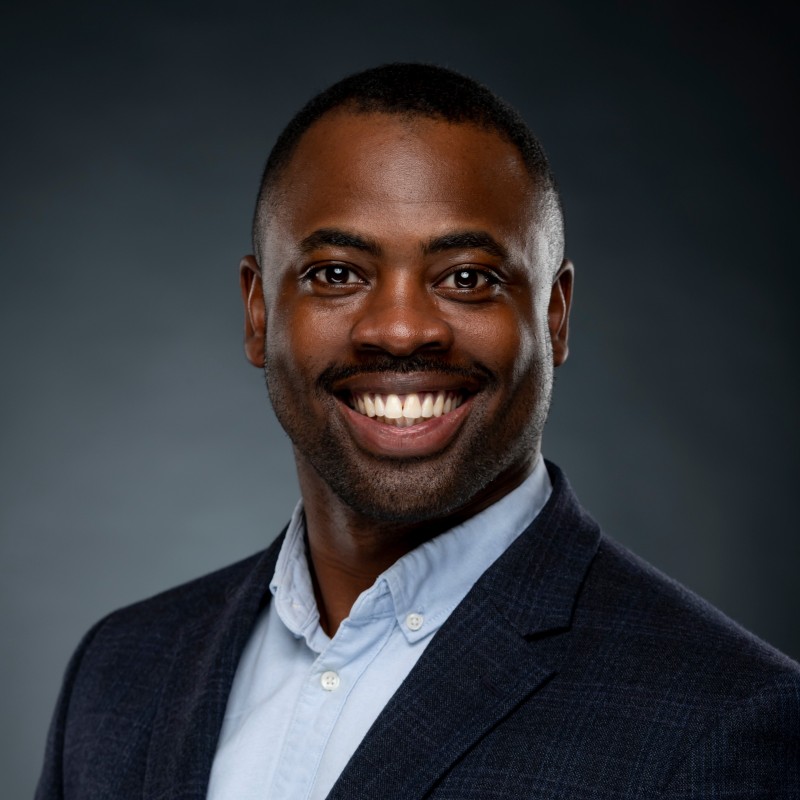
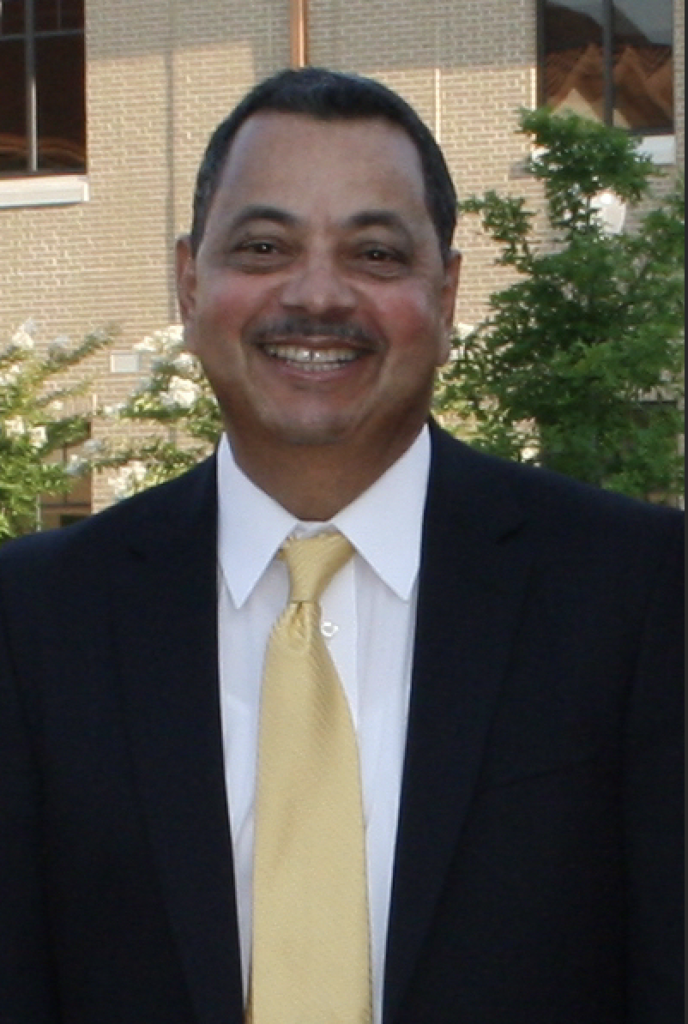
The board and staff of the Mary Reynolds Babcock Foundation are pleased to announce Julius E. Kimbrough Jr. will serve as the Foundation’s first impact investment officer.  

Kimbrough comes to MRBF from Stonehenge Capital, where he managed the federal New Markets Tax Credit program and helped source other economic development finance opportunities. Before joining Stonehenge, Kimbrough served as executive director of a community land trust, pioneering affordable residential and commercial real estate solutions across New Orleans. He also headed Liberty Bank and Trust Company’s community development unit, which helped families finance affordable homes, and provided capital to small businesses and agencies nationally. Kimbrough also has served as a foundation program officer, urban planner, economic analyst and investment banker. 

“I am super excited to serve as the Mary Reynolds Babcock Foundation’s first impact investment officer. Given their faith in me, together we will explore the intersection of American democracy and economic opportunity to leverage more equitable and bountiful outcomes on behalf of all Southerners, especially Black and brown families and communities seeking to overcome underinvestment.”        

The creation of this position is the latest step in MRBF’s evolution in investing in ways that advance its mission, vision and values. Since 2014, MRBF has implemented environmental, social and governance best practices across its portfolio. In 2020, the Foundation embarked on a process to center racial equity in every aspect of its work, including investment strategies. Kimbrough will work with the Foundation’s investment committee, board and staff colleagues to continue to reimagine, develop and drive innovative strategies to use capital and markets to build power and advance racial justice across the South. 

Kimbrough holds a degree in history from Hampton University and master’s degrees in both business administration and public policy from the University of Chicago. 

Written by Susanna Hegner · Categorized: FEATURE STORIES, NEWS, STORIES

May 19 2026

We Cannot Leave This to Someone Else

I am writing to you in grief. 

The Court’s decision in Louisiana v. Callais has all but eviscerated the protections afforded by Section 2 of the Voting Rights Act. Post-Callais, state lawmakers are racing to eliminate all Black congressional representation across 10 Southern cities. Advocates have been clear: erasing Black and Brown political representation at this scale would return us to the pre-1965 Jim Crow era, with devastating consequences for healthcare, education, housing, economic opportunity, climate, and more.

At the core of this decision, as with so many before it, is anti-Blackness as architecture. It is a coordinated, deliberate blueprint that has always asked the same people and geographies to stand up repeatedly, while the nation refuses to listen.

Across the South, attacks on Black political representation are accelerating in coordinated and deeply consequential ways. This is a rollback of freedom that is core to our Constitution and to which this nation claims to be. This has always been part of the nation’s story. We have stood in this place before. And we know what it has required of ordinary people to move us forward.

“I’m sick and tired of being sick and tired.”

— Fannie Lou Hamer, 1964 Democratic National Convention

Fannie Lou Hamer stood before the nation sixty years ago and refused to let it look away. On that Atlantic City stage, she named the violence. She named the suppression. She and the Mississippi Freedom Democratic Party challenged an all-white delegation and demanded that equal representation be treated as the moral emergency it was. She laid the groundwork for the 1965 Voting Rights Act.

We are called to remember that lineage now, as history and instruction. And first, we must grieve.

Malkia Devich-Cyril reminds us in Convergence Magazine’s Anti Authoritarian Podcast, “Grief can be a landscape for liberation; it is a terrain for transformation.”

Grief is not weakness. Grief is not a pause in the work. Grief is a loving refusal to disappear. It is a presence amid pain that allows us to continue. Grief carries the radical imagination of our ancestors, insisting that even in sorrow, another world remains possible. 

We will not bypass grief in favor of a press release or a pivot to strategy. The communities we are part of have endured generations of disinvestment. We continue to absorb escalating attacks on our political power, our bodies, and our futures. We deserve the dignity of being fully in this grief. And, I hold it with you.

Moreover, when we are ready, and we will be ready, we call in those who have been watching from the banks.

In Ordinary Notes, Christina Sharpe, Black feminist queer writer and scholar, draws on a formulation offered by Katrina Browne in her documentary Traces of the Trade: A Story from the Deep North, in which Browne, a white woman, reckons with her own family’s complicity and silence in the slave trade (Sharpe, 2023; Browne, 2008). The movement Sharpe takes up is this: from guilt to grief. Guilt keeps us fixed. Guilt is self-referential; it circles back to the one who holds it and goes no further. Grief, by contrast, opens outward. It demands relation. It pulls us into entanglement with one another, into the labor of genuine accountability. 

Engagement and the labor of genuine accountability are what this moment requires of those who have been watching from a distance. Not the performance of guilt but the harder, reorienting work of grief, grief as a position of relation.

To those who do not yet see the connections and who do not yet recognize their own implicit roles in the systems of anti-Blackness that made this decision possible: this decision is not separate from you. It is a stepping stone toward restrictions on your own freedoms. Interrogate your silence. Reorient your guilt toward grief. Then move. Not toward us, but entangled with us in the labor of genuine accountability for racial equity and democracy.

Black and Brown communities have always been the litmus test for democracy. We are the labor of it. We are the holders of it. As Indigenous traditions teach us to honor seven generations behind us and hold responsibility for seven generations ahead, we call on our ancestors in this moment. We call forward to my granddaughter’s great-great-grandchildren and to the future we are required to protect.

Some will say this decision was not a surprise. It is part of a strategy that has always been with us, sometimes hidden, sometimes bold, always insidious, built to erase, to exhaust. However, our mandate has not changed.

Democracy and racial equity are not separate causes. They are one.

The path forward is narrow, but clear. We must:

  1. Commit to sustained, flexible, trust-based investment from philanthropy — not after the next ruling. Not once the dust settles. Now.
  2. Turn toward radical imagination — we have always been the architects and conductors of freedom beyond our current conditions. 
  3. Demand that the Court uphold Section 2 of the Voting Rights Act — the hard-won protection that has stood as the floor of Black and Brown political power for sixty years.
  4. Demand that states refuse to consider or adopt racially discriminatory maps — if the Supreme Court guts Section 2, the fight moves to statehouses, and we must be there.
  5. Generate a massive turnout for the 2026 midterm elections — the ballot box remains, and we will use it.
  6. Use whatever chamber of Congress is won in 2026 to pass pro-democracy legislation, investigate unfair maps, and hold a far-right Court accountable.

What we cannot do, what we will not do, is leave this to someone else. 

Flozell Daniels, Jr.

Chief Executive Officer

Mary Reynolds Babcock Foundation

Photo Credit: Corey Minor Smith of Canton, Ohio holds a “Black Voters Matter” sign while marching over the Edmund Pettus Bridge in Selma, Alabama on May 16, 2026. Faith leaders gathered in Selma Saturday for a prayer event as part of the “All Roads Lead To The South” protests, aimed at mobilizing voters amid Republican efforts to eliminate majority-minority districts. (Ralph Chapoco/Alabama Reflector)

Written by Flozell Daniels Jr · Categorized: NEWS, STORIES

May 01 2026

Strategic Refinement and Long-Term Investment: Outcomes from the Q1 Mary Reynolds Babcock Board Meeting

The Mary Reynolds Babcock Foundation Board of Directors recently convened in Durham, North Carolina, for its quarterly meeting and chose to double down. Grounded in the enduring truth that as the South goes, so goes the nation, the Board of Directors reaffirmed its strategic direction, extended its 11% spending-and-payout commitment through the next five-year horizon, and authorized $7.75 million in grants advancing racial equity and justice. 

For more than five years, the Mary Reynolds Babcock Foundation (MRBF) has followed an 11% spending-and-payout strategy, a deliberate choice that enabled us to respond with greater agility during the cascading crises of recent years. In a powerful reaffirmation of our mission, the Board of Directors authorized extending this 11% payout until 2031, a five-year horizon. We are choosing to remain in the fight alongside Grantee Partners and Communities, doubling down on our commitment.  

The Board of Directors meeting was anchored in reflections from MRBF’s 2025 end-of-year Grantee Partner convening in Gulf Shores, Alabama, a gathering defined by deep listening, bearing witness, and holding space for healing. The Board of Directors witnessed what has always been true: Southern Communities have long demonstrated the leadership, vision, and capacity that warrant investment proportionate to their impact and ambition. The Board of Directors, MRBF leadership, and team remain steadfast in their commitment to protecting and advancing the racial equity, democracy, and justice that Grantee Partners and Southern Communities have fought for and continue to build upon. 

Specifically, MRBF has sharpened its operations and capital deployment. The next strategy will run from 2027–2031, a horizon timed to the 2030 and 2032 census and redistricting cycles and a once-in-a-generation opportunity to reshape the balance of power across the South. To match that moment, the Board of Directors approved a five-year payout of 11%, providing Grantee Partners with the sustained, long-term capital needed to compete and win. MRBF has also refined its infrastructure continuum to support differentiated strategies for power building, from strengthening networks to advancing governing power, ensuring investments meet Grantee Partners where they are while advancing collective impact. MRBF is also recommitting to bi-annual Grantee Partner convenings as essential infrastructure, not supplementary gatherings, but sites of healing and restoration where the relational, spiritual, and communal conditions necessary for liberation can take root and grow. 

MRBF’s grantmaking strategy reflects the growth and opportunity it has witnessed across its 11-state Southern footprint. Regional organizations, those building power across state lines, will serve as the core of the five-year investment strategy, doubling down on the connective tissue that links local organizing to Southern-wide power. Multi-year general operating support remains central, with two- and three-year grants giving Grantee Partners the stability and flexibility to do their best work. MRBF will also continue resourcing the Democracy Protection Fund to counter threats to democratic participation and the Crisis Response Fund to meet urgent needs, sustaining Grantee Partners’ ability to mobilize, organize, and protect Communities across community defense, mutual aid, and policy accountability. 

We invite philanthropic partners to join us as committed co-investors, resourcing Southern-led organizations at the scale their leadership demands and trusting Communities with flexible, sustained funding equal to the urgency of this moment. 

Written by MRBF · Categorized: NEWS, STORIES

Jan 26 2026

Introducing Laura Hughes, Narrative Fellow

The board and staff of the Mary Reynolds Babcock Foundation are pleased to introduce Laura Hughes (she/her) as our inaugural Narrative Fellow.

Laura is a strategic leader rooted in the belief that beauty and joy are transformative mindsets for persuasive storytelling and driving systemic change. Laura’s professional experience spans housing justice, birth justice, global LGBTQ+ justice, homelessness and runaway services, democracy, equity, water affordability, and climate resilience—each centered on themes of solidarity, belonging, and abundance. 

She has held leadership roles as Director of Narrative Strategy at PolicyLink, Senior Director in the Technical Assistance Unit at Casey Family Programs, Program Officer at The Skillman Foundation, Vice President of Communications & Community at Strategic Staffing Solutions, and Executive Director of the Ruth Ellis Center. She has also worked closely with the Center for Cultural Power, Birth Center Equity, and The Aspen Opportunity Youth Forum to build and align narrative and cultural strategies.

Laura holds a Master of Public Health from the University of Michigan School of Public Health and a Bachelor of Arts in Anthropology, with High Honors, from Brown University. She was a Marshall Memorial Fellow with the German Marshall Fund of the United States and a graduate of the Rockwood Leadership Institute’s Art of Philanthropic Leadership program, and she brings this interdisciplinary training and leadership experience to advancing MRBF’s mission across the South.

In this role, Laura will support the Foundation’s narrative alignment efforts and help advance Southern storytelling as a core strategy for justice and equity.

Written by Amy Easter · Categorized: NEWS, STORIES

Oct 29 2025

Beyond 5%: The Mary Reynolds Babcock Investment in Racial Equity

The Mary Reynolds Babcock Foundation (MRBF) offers a clear example of what values-driven philanthropy can look like in practice.

As a 72-year-old family foundation with approximately $170 million in endowment assets, we have consistently extended our spending beyond the traditional 5% payout rule. For the past two decades, our approach has reflected a deliberate commitment to increase resources in the South—boldly and consistently—in the face of systemic harm.

MRBF’s mission is to build power to advance racial equity across the American South. As coordinated attacks on voting rights, bodily autonomy, and the ability to live full, dignified lives have escalated, our response has been to increase support, particularly for efforts targeting Black, Brown, and Indigenous communities, trans people, migrants, and those systemically denied economic opportunity.

From 2005 to 2017, our average annual grantmaking was $6.8 million, in line with a 5.5% spending policy designed to provide steady support and fiscal stewardship to our grantee partners. But when communities needed more—and movements called for increased investment—we responded. From 2018 to 2024, our annual grantmaking more than doubled to an average of $14.3 million. In 2020, we acted quickly in the face of compounding crises. COVID-19 emerged as a global pandemic, disproportionately affecting people of color. At the same time, worldwide attention to state violence against Black people spurred a national reckoning with systemic racism, following the murders of George Floyd, Breonna Taylor, and Ahmaud Arbery. To support our partners’ uprisings, mutual aid, and urgent calls for changes, as well as overlapping democracy and economic crises, we spent 13.46% of our endowment that year.

In March and April of 2020, MRBF accelerated outstanding grant payments and provided every grantee with $10,000 in unrestricted support. By June of that year, the Board approved a formal increase in the annual spending rate to 11% for an initial three-year period, which has since been extended through 2026.

These measures resulted in nearly $25 million in total spending—the highest in MRBF’s history—and reflect the Foundation’s unwavering commitment to reparative, community- centered philanthropy in times of profound disruption and transformation. By intentionally spending rather than growing our endowment, we expanded our impact, reflecting the Foundation’s belief that in moments of urgency, values-driven philanthropy must act boldly. Also, in 2020, the Foundation deepened its commitment by extending grants to ensure every grantee partner received at least two years of general operating support—without requiring additional applications, reporting, or staff recommendations. We extended all active grants by one year, accelerated outstanding payments, and converted all project grants into unrestricted funding. We suspended reporting requirements, converted 20% of loans into grants, and eliminated interest on loans through to maturity.

In total, we deployed $4 million in mutual aid through our partnership with the Robert Wood Johnson Foundation, $5 million in democracy protection resources, and an additional $250,000 to community based mutual aid organizations.

These are the bold steps that put 13.46% of our endowment, in 2020, directly into the hands of Southern leaders navigating multiple crises, to organizations and networks that bridge racial, ethnic, economic, and political divides in pursuit of a more just and joyful future for all.

Key to our success, too, is a belief that durable change requires sustained investment, relationship-building, and mutual accountability. MRBF has historically supported organizations playing pivotal roles in Southern states through multi-year general operating grants, with many grantee partners remaining in the Foundation’s portfolio for more than five years. We’ve suspended traditional spending policies and made bold financial decisions that defy white supremacy culture and scarcity thinking. And still, MRBF has preserved its core endowment—proving that values-aligned investment is not only possible, but powerful.

And MRBF’s commitment goes beyond grant dollars. We’ve activated every lever of philanthropy to shift systems and stories, including devoting resources toward market-rate investments: program-related Investments (PRIs) to build community wealth; narrative strategy and communications support to shape public discourse and amplify community wisdom; funder convenings and aligned investments to attract co-investors and seed a broader ecosystem; and internal equity work and operational learning to ensure we model what we fund.

The strategies are Southern, but the stakes are national.

In recent years, we’ve witnessed the rise of authoritarian politics, book bans, anti-Black violence, transphobia, and coordinated disinvestment in public institutions. The South has responded—with labor strikes, mutual aid, abortion access defense, climate organizing, and a deep refusal to cede power or dignity. MRBF has been by our grantee partners’ side through every challenge. Our grantmaking has reflected solidarity.

For our peers in philanthropy who need evidence, the path is clear. The time is now. The South has the strategy. Let’s match it with the resources it deserves.

Written by . · Categorized: STORIES

Aug 28 2025

Twenty Years Later, We Need the Courage to Heed Hurricane Katrina’s Lessons

Twenty years after Hurricane Katrina, New Orleanians still carry the weight—and the wisdom—of what the storm revealed. The lessons aren’t just about how to recover as floodwaters recede and levees get repaired, but about how power moves, who gets intentionally left behind, and what it truly takes to rebuild with equity, memory, and justice.

This understanding doesn’t come from theory—it comes from lived experience and years of watching how, in moments of crisis, policy decisions either deepen harm or create space for transformative change. I carry this perspective as a lifelong resident of New Orleans and from leadership roles as the CEO of the Louisiana Disaster Recovery Foundation (2007–2011), the Foundation for Louisiana (2011–2022), and now the Mary Reynolds Babcock Foundation.

I hold a clear-eyed understanding of how neoliberal policy has systematically undermined the majority of New Orleanians—and how disaster capitalism, in both natural and political crises,  exploited the devastation of Hurricane Katrina at scale. These forces strike hardest when communities are most vulnerable—grieving, displaced, abandoned, and in survival mode—cloaking harm in the language of philanthropy, policy, and progress while stripping people of voice, land, and rights. What appears to some as recovery on the surface often masks a deeper consolidation of power that widens inequality and erodes the public good.

I also learned that when we funded and fought for an equity frame, communities reclaimed power, rebuilt with dignity, and reshaped outcomes to be more just. Those gains didn’t happen by chance—they resulted from intentional and courageous leadership, particularly from those of us who lost everything.

Today, coordinated attacks on voting rights, bodily autonomy, and basic dignity—especially targeting Black, brown, Indigenous, trans, migrant communities, and others long denied economic opportunity—amount to yet another disaster: political, economic, and climate-driven. As democracy itself is under siege and we are intentionally being torn apart, we face a choice: will we allow the same dynamics that followed Hurricane Katrina to define this moment, or will we rise to what a freedom frame demands?

Post-Katrina recovery quickly turned into a wholesale power grab, with disaster capitalism driving the agenda. Reformers fired thousands of Black educators, auctioned off public housing, and dismantled the public school system, replacing it with a patchwork of charter schools that lack accountability and democratic oversight. They carried out these actions under the banner of progress and against the protest of noted experts in student learning. Still, in reality, they advanced private interests at the expense of the public good, all while residents remained displaced and communities struggled to rebuild.

In the years immediately following Hurricane Katrina, for the first time in our nation’s history, the South received a proportionate share of philanthropic attention, and for a brief but powerful window, those investments permanently shifted the landscape. We built lasting infrastructure for democratic participation. Through leadership development, community members gained the skills and confidence to lead across nonprofit, civic, and public policy spaces. Organizers expanded democratic participation by leading get-out-the-vote campaigns, demystifying decision-making processes, and ensuring displaced residents had a voice in the city’s recovery planning. They also mobilized broad public engagement in New Orleans’ first citywide master plan in 50 years, using accessible toolkits, paid facilitators, and legal guidance to navigate zoning and land use, where power often hides. We reinforced that work by creating mechanisms for regular plan updates to ensure ongoing public accountability. At a time when few accepted it, New Orleanians recognized that equity wasn’t a zero-sum game—it was a path for everyone to thrive.

The transformation wasn’t magic—it was people-powered. The victories we won reshaped the landscape and proved that equity isn’t just aspirational—it’s replicable. We don’t need another crisis to remind us that equity-centered approaches work. When communities directly receive recovery dollars —when leaders prioritize local businesses, honor culture bearers, and include those most impacted in planning—we don’t just rebuild. We transform.

Transformation takes courage, demanding that we move beyond the performative politics of equity and invest, without hesitation, in the people who have always held the line. It means organizing not only where we’re comfortable, but across geographies, ideologies, and lived experiences. That’s precisely what our partners in Louisiana are doing through the Power Coalition for Equity and Justice—a statewide network building durable, people-centered power from Baton Rouge to the Bayous.

I remember funders coming to New Orleans after the storm, asking in disbelief how people were still standing. “I can’t imagine surviving what y’all have survived,” one said. And yet, we did because we were drawing not just from resources, but from memory. From the generational wisdom that says, Baby, we’ve seen worse. And we’re still here.

That’s the inheritance we carry. And that’s the compass we need now across this country. As we look to the South, we know how to survive this moment, too. The question is whether those with power and capital will finally choose to follow the lead of those who’ve already proven what equitable recovery looks like. What remains is the courage to act—and the time is now.

Written by Flozell Daniels, Jr., CEO of the Mary Reynolds Babcock Foundation · Categorized: FEATURE STORIES, NEWS

Jan 30 2025

Welcoming our New Directors

The board and staff of the Babcock Foundation are delighted to welcome four new directors to help deepen our impact across the South in the coming years. The approved directors will join the board of directors January 1, 2025:

Helen Butler (she/her) serves as Executive Director of the Georgia Coalition for the Peoples’ Agenda, a non-profit, non-partisan organization comprised of representatives from the human rights, civil rights, environmental, labor, women, young professionals, youth, elected officials, peace and justice groups throughout the State of Georgia and other southeastern states, founded by the late Dr. Joseph E. Lowery, that advocates for voting rights and justice issues. She joined the Coalition for the Peoples’ Agenda in 2003 as the State Director and was able to increase the membership of the organization to over sixty statewide and local organizations as well as, promote collaborative issue campaign organizing activities throughout Georgia, nationally and in the southeastern region. In keeping with the People’s Agenda commitment to quality education, criminal, and juvenile justice reform, protecting the right to vote, economic justice and development, and other social justice issues, she has formed strategic alliances to improve quality of life for underserved communities.

Nayely Perez-Huerta (she/ella) is a Mexican immigrant who has called the South home for the past 24 years. Her work has focused on developing and strengthening immigrant leadership and building grassroots power in the Southeast, with a strong emphasis on centering the voices and experiences of those most impacted by systemic injustice.

Dr. Karida Brown (she/her) is a sociologist, professor, oral historian, and public intellectual whose research centers on the fullness of Black life. A proud graduate of Temple University, the University of Pennsylvania, and Brown University, she currently teaches sociology at Emory University. She has authored six books, including The Sociology of W.E.B. Du Bois and the award-winning The New Brownies’ Book: A Love Letter to Black Families. Her upcoming book, Battle for the Black Mind is forthcoming Spring 2025 with Legacy Lit by Hachette Book Group.

Austin Thompson (he/him) is the Founder and CEO of Community Dynamix (CDX), a consultancy and technology services provider dedicated to equipping nonprofits and place-based coalitions with data-driven solutions that strengthen communities and help redefine the economic trajectory of underserved regions. Originally from Alpharetta, Georgia, and deeply committed to equity and sustainability in the South, Austin believes in the transformative power of technology to radically accelerate human potential, dismantle systemic barriers, and engineer a future where community-centered innovation drives lasting change. Austin brings extensive experience in philanthropy, technology, and social change, combining visionary leadership with hands-on expertise. His commitment to using technology to drive economic equity aligns seamlessly with the mission of the Mary Reynolds Babcock Foundation.

While we are thrilled with our new directors, this announcement is bittersweet, as the Foundation is also bidding farewell to two directors who went above and beyond in their extraordinary commitment to the Foundation and the South.

Chad Berry (he/him) came to the office of the Academic Vice President and Dean of the Faculty after serving five years as Director of the Loyal Jones Appalachian Center and also serving one year as Director of the Center for Excellence in Learning through Service. Prior to coming to Berea in 2006, he was a member of the faculty at Maryville College. He is the author of Southern Migrants, Northern Exiles, published by the University of Illinois Press, which examines the migration of millions of white southerners to the Midwest during the twentieth century. The book was inspired by his paternal grandparents, who reluctantly left Tennessee in the 1940s, going first to Akron, Ohio, and ultimately settling in Mishawaka, Indiana, where they found jobs and the economic opportunity that had eluded them in the South. He is the editor of and a contributor to The Hayloft Gang: The Story of the National Barn Dance (Illinois, 2008), an important radio program from Chicago that was instrumental in the development of country music. He is published widely in the area of Appalachian studies and international education.

Jerry Gonzalez (he/him) is the founding and current Executive Director of Georgia Association of Latino Elected Officials (GALEO) and the GALEO Latino Community Development Fund. GALEO was founded in 2003 and is a 501 (c) (6) statewide nonprofit and non- partisan organization; its mission is to increase civic engagement and leadership development of the Latino/Hispanic community across Georgia. The GALEO Latino Community Development Fund is a 501(c) (3) nonprofit organization affiliated with GALEO. Due to his efforts at GALEO, Mr. Gonzalez has been recognized by Georgia Trend Magazine as one of Georgia’s 100 Most Influential Georgians for several of years, along with many other honors and awards.

Both Chad and Jerry joined the board in 2014, served three consecutive terms and then graciously agreed to serve two extensions to provide stability as the Foundation grappled with COVID, racial reckonings across the South and internal leadership transitions. Under their leadership, the Foundation has made nearly a thousand grants, totaling more than 121 million dollars to organizations advancing justice in the American South. Much of the Foundation’s considerable evolution over the past 11 years is attributable to Chad and Jerry, as they helped guide us through multiple strategic shifts, and were strong voices steering the Foundation toward our commitments to building power to advance racial equity.

Please join us in expressing our deep gratitude to Chad and Jerry, and in warmly welcoming our new directors, whose terms begin January first.

Written by Amy Easter · Categorized: FEATURE STORIES, NEWS, STORIES

Nov 25 2024

Introducing our new Associate Network Officer

The board and staff of the Mary Reynolds Babcock Foundation are pleased to introduce our new Associate Network Officer. Velvet Scott (she/her) brings a wealth of expertise in strategic planning, program management, and community engagement. Her impressive career includes leadership roles such as Director of Civic Engagement & Voting Rights at the Mississippi Black Women’s Roundtable and Managing Director at Mississippi Votes.

A proud member of the National Council of Negro Women, Attala County Section, Velvet is deeply committed to empowering women and advancing social justice. As a wife and mother, her passion for equity is rooted in her vision of creating a more inclusive and just world for future generations.

Velvet holds a Bachelor of Science in Neuroscience & Cognitive Studies from Millsaps College and has been recognized as a 2021 Mississippi Black Leadership Institute Fellow and a 2022 EMILY’s List Ignite Change Fellow. She’s eager to dive in and help advance MRBF’s mission and create meaningful change across the South.

In this role, Velvet will work closely with the network officers, grants manager and others to support grantmaking processes, and evaluate the impacts of MRBF’s programs, grants, investments, and related activities.

Written by Amy Easter · Categorized: NEWS, STORIES

Dec 05 2023

Welcome our New Directors!

The board and staff of the Babcock Foundation are delighted to welcome four new directors to help deepen our impact across the South in the coming years. 

Tamieka Atkins

Tamieka Atkins (she/her) serves as Executive Director of ProGeorgia, a non-partisan voter engagement advocacy organization in the State Voices national network. ProGeorgia provides funding, resources, and training for more than 60 organizations committed to advancing civic engagement in Georgia. As a longtime grantee partner, the Babcock team is deeply familiar with Tamieka’s brilliance in building coalitions among groups that have been historically sidelined in the South. 

Dr. Keecha Harris

Dr. Keecha Harris (she/her) is President and CEO of Keecha Harris and Associates, a consulting firm specializing in environmental, reproductive, economic mobility and leadership development projects. The firm has a long track record of working with philanthropic organizations to advance racial equity and social justice. Keecha also hosts a podcast about racial equity and change management from Birmingham, Alabama. 

Dr. Tim Lampkin

Dr. Tim Lampkin (he/him) is the award-winning Founder and CEO of Higher Purpose, an economic justice nonprofit serving Black entrepreneurs, artists and farmers across Mississippi through asset building, advocacy and narrative change. With more than a decade of experience in entrepreneurship and community development, Tim brings critical expertise to our work to build economic power for communities whose needs have long gone unaddressed.

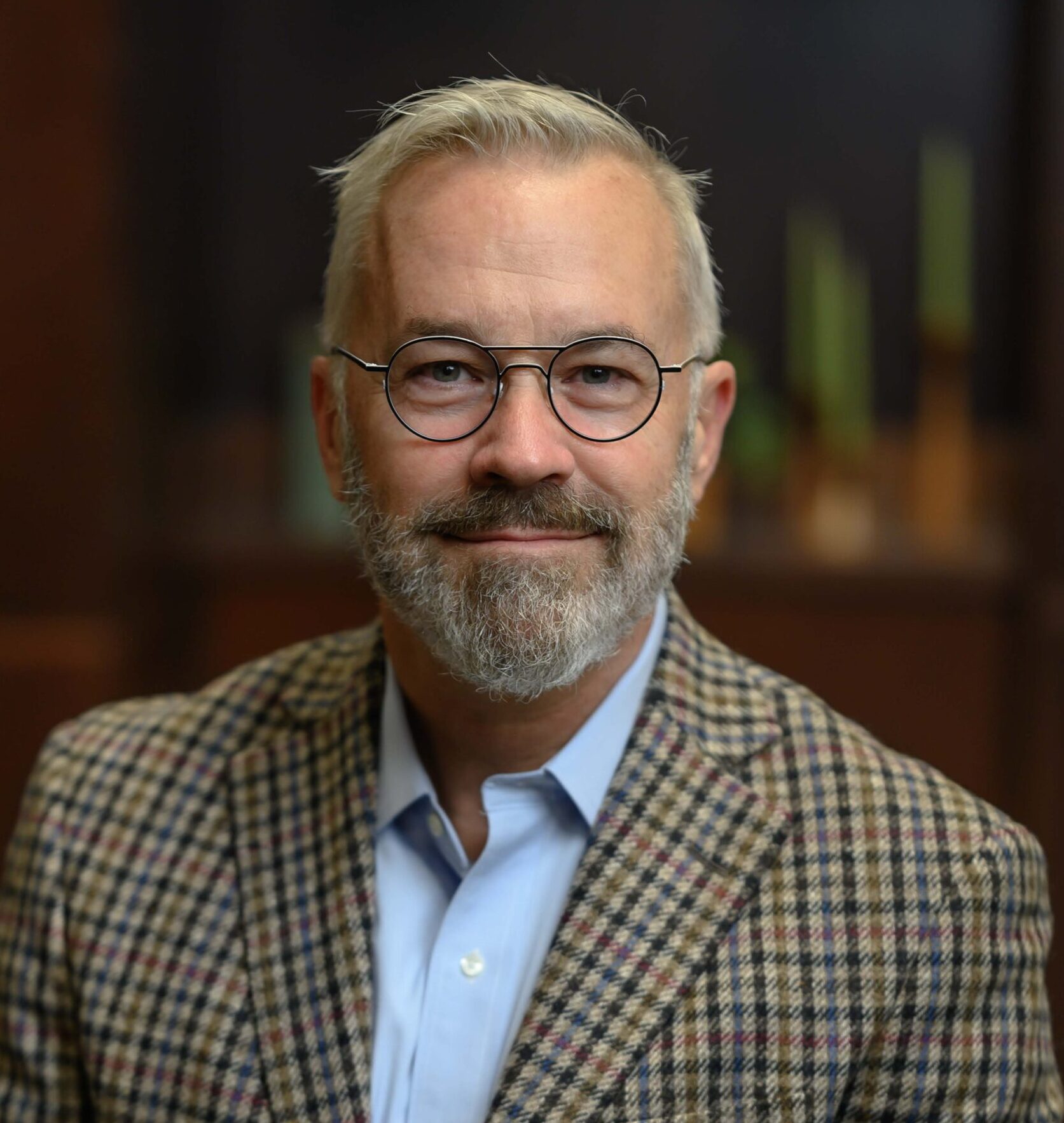
Will Vandenberg (he/him) is an award-winning activist, advocate and funder whose long-time work as a nonprofit director in Colorado built diverse coalitions that grew community-based power, expanded nonpartisan voter participation, developed dynamic new leaders, and led to numerous racial and economic equity victories. After serving for 12 years as a senior U.S. leader for the Open Society Foundations, Will co-founded a national pro-democracy incubator that supports state-based innovation and investment in several challenging contexts.

Will Vandenberg

“These four leaders have the experience, expertise and – perhaps most importantly – the courage to help the Foundation strengthen our commitments to power building and racial equity,” said MRBF CEO Flozell Daniels Jr. “At this critical moment for our beloved South, we are incredibly fortunate to bring their hearts and minds to bear in our work to advance justice and joy.”

While we are thrilled with our new directors, this announcement is bittersweet, as the Foundation is also bidding farewell to three directors who went above and beyond in their extraordinary commitment to the Foundation and the South. 

LaVeeda Battle

LaVeeda Morgan Battle (she/her) is a trailblazing veteran attorney who founded Battle Law Firm near Birmingham, Alabama. In a career spanning more than three decades, she has served the executive, legislative and judicial branches of state and federal government, even advising three American presidents. During her time at the Foundation, she has served on two committees, chairing one of them for seven years. 

Dr. James Mitchell (he/him) is President of Wallace Community College in Selma, Alabama. In his two decades-plus at the helm, he has revolutionized Wallace into a state-of-the art school that has proven transformational for countless students and the Selma community. James helped organize the 50thanniversary jubilee, a commemoration of the Selma Bridge Crossing, understanding the importance of the rural South to the civil rights movement. At the Foundation, James has served on three committees and spent two years at the helm as board president.

Dr. James Mitchell

Both James and LaVeeda joined the board in 2013, served three consecutive terms and then graciously agreed to serve two extensions to provide stability as the Foundation grappled with COVID, racial reckonings across the South and internal leadership transitions. Under their leadership, the Foundation has made nearly a thousand grants, totaling more than 130 million dollars to organizations advancing justice in the American South. Much of the Foundation’s considerable evolution over the past 11 years is attributable to LaVeeda and James, as they helped guide us through multiple strategic shifts, and were strong voices steering the Foundation toward our commitments to building power to advance racial equity.   

Dr. Micah Gilmer

Dr. Micah Gilmer (he/him) is Cofounder and Senior Partner of Frontline Solutions, a consulting firm that helps organizations transform their internal culture and deepen their impact with a racial and gender equity lens. Micah has served on four committees and even served as CEO for more than a year as the Foundation conducted its executive search. Since Micah joined the board in 2018, the Foundation has deployed more than $79 million in funding across the South. 

Please join us in expressing our deep gratitude to LaVeeda, James and Micah, and in warmly welcoming our new directors, whose terms begin January first. 

Written by Amy Easter · Categorized: NEWS, STORIES

Oct 23 2023

Remembering Fearless Freedom Fighter Hollis Watkins

Family, friends and community members gathered Saturday to celebrate the life and legacy of freedom fighter Hollis Watkins at his alma mater, Tougaloo College, a frequent meeting space and safe haven for civil rights activists.

Watkins died peacefully at his home in Clinton, Mississippi, September 20 at age 82, according the Veterans of the Mississippi Civil Rights Movement, for which he served as chairman.

Born in Mississippi to sharecroppers, Watkins was the youngest of 12 children. The intense racism he endured from a young age motivated him to join the civil rights movement. 

Watkins became a field secretary for the Southern Nonviolent Coordinating Committee, where he worked alongside icons like Medgar Evers and Bob Moses. Police arrested and jailed Watkins several times for challenging segregation and registering Black people to vote.

In 1989, Watkins co-ounded Southern Echo, a nonprofit focused on empowering communities across the South through organizing, policy work, education, agriculture, training and technical assistance. Southern Echo was a Babcock grantee partner for two decades. In 2014, Watkins sat down with MRBF for a wide-ranging interview, sharing stories of his childhood, civil rights era memories and the founding of Echo. He also shared his frustration with the dearth of philanthropic funding in the South based on false notions of the region’s capacity.

“When you say, ‘They’re not ready,’ they’re not ready for what?” said Watkins. When you say, ‘Folks in Mississippi ain’t ready,’ then you are saying, ‘People in Mississippi is not ready to come out of slavery. People in Mississippi is not ready to be a part of a fair and equitable system for this country.’ And I don’t believe that. I think we all are ready for that. I hope Mississippi and the region can get to the point where we, as human beings, see all people as human beings.”

“It is wincingly painful to lose a lion like Hollis, particularly at a time when the very values he fought for are under coordinated attack,” said MRBF CEO Flozell Daniels Jr. “His example and legacy serve as a roadmap for us and future generations of leaders striving courageously toward a more equitable South.” 

From his teenage years, Watkins understood the power of music in organizing during the civil rights movement, inspiring people to take action through freedom songs. 

Get on board, children, children. 

Get on board, children, children. 

Get on board, children, children. 

Let’s fight for human rights. 

Babcock’s board, staff, grantees and allies will carry on the fight. Rest well, Brother Watkins. And thank you. 

Written by Amy Easter · Categorized: FEATURE STORIES, NEWS, STORIES

Sep 07 2023

MRBF Joins Due Diligence 2.0 Commitment

The Mary Reynolds Babcock Foundation is pleased to announce we have signed onto the Due Diligence 2.0 commitment alongside dozens of other asset owners, allocators and advisors. While the Foundation centers racial equity in our grantmaking across 11 Southern states, embracing this initiative is a milepost in our journey to invest our endowment with an explicit racial equity lens. This means allocating more capital to emerging managers, communities, entrepreneurs and stakeholders of color.

The pernicious racial wealth gap that throttles the entirety of the American economy is especially acute in the asset management industry. White male asset managers control 98.6 percent of the investment industry’s more than $80 trillion in assets under management, according to the Knight Foundation’s Diversity of Asset Mangers Research Series. That means firms owned by women and people of color manage a mere 1.4 percent. The numbers are bleaker for Black women, who receive less than 0.35 percent of all venture capital funding, according to Crunchbase. The financial industry’s due diligence standards tend to direct capital to the same firms, which are overwhelmingly white, thereby reinforcing these inequities. MRBF seeks to do better by implementing nine suggestions in the Due Diligence 2.0 commitment.

One tenet, for example, is to contextualize fees. Investors may screen out smaller firms due to higher fees, which may be the result of undercapitalization, market research or capacity growth. The commitment recommends working with emerging managers to tie fundraising success to future fee reductions. Another tenet is to be willing to go first. Consider acting as a seed investor rather than waiting for later closings to foster fundraising momentum. The commitment also reminds investors to be forthcoming about hurdles like minimum thresholds to be respectful of managers’ time.

“More transparency fosters higher levels of fairness and equity,” said MRBF Impact Investment Officer Julius Kimbrough. “At the Babcock Foundation we talk openly about our values-first investment practices, like not investing in fossil fuels. Due Diligence 2.0 gives us an opportunity to increase transparency in our investment decision making processes. Anything that turns the informal into the formal, that makes the opaque transparent is a win for the communities we serve at Babcock.”  

“Due Diligence 2.0 signatories like MRBF are making critical commitments toward removing long-standing barriers to racial equity in finance,” said Rachel J. Robasciotti, CEO and Founder of Adasina Social Capital. “The commitment offers us all an opportunity to redistribute access and shift the power dynamics, share prosperity, and create a more inclusive economic landscape.”

The Foundation is grateful to the authors of the Due Diligence 2.0 commitment for this opportunity, including Robasciotti, Brent Kessel, Tracy Gray and Erika Seth Davies. As a philanthropic foundation, Babcock’s primary function is grantmaking. Our board and staff believe moving the needle on social, economic and racial justice means leveraging all our resources.

Written by Susanna Hegner · Categorized: FEATURE STORIES, NEWS, STORIES

  • Page 1
  • Page 2
  • Page 3
  • Go to Next Page »

Footer

  • BOARD ACCESS

Copyright © 2026 Mary Reynolds Babcock Foundation · All Rights Reserved · Website by Code the Dream